VMPET Metallized Polyester Film
VMPET is metallized polyethylene terephthalate film. It is stiff, dimensionally stable and widely used as the barrier layer in printed flexible packaging laminates.
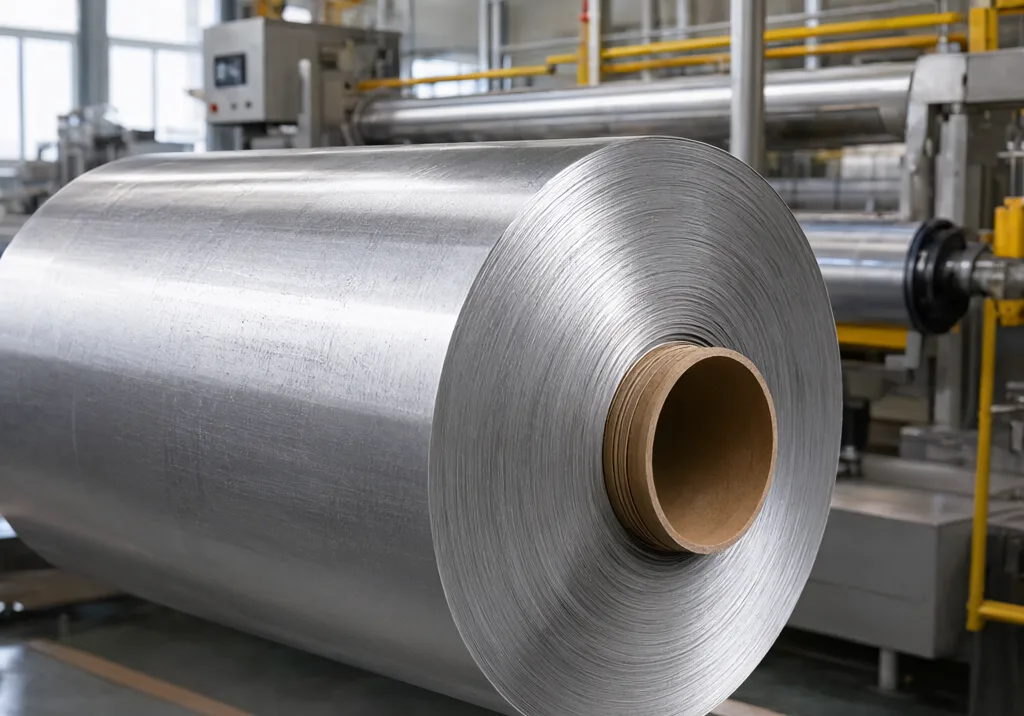
PacksFactory reference page for VMPET film and related film formats. Temporary imagery; the supplied material is confirmed against the approved sample.
Where VMPET Fits in a Laminate
VMPET is usually the middle layer in a structure such as printed PET / VMPET / PE or printed PET / VMPET / CPP. It adds moisture and oxygen barrier, reflects light and gives the laminate stiffness without the weight of foil.
Thickness and Handling
12 micron is a common lightweight barrier layer, while 15 and 18 micron add stiffness and handling strength. The right gauge depends on the pack size, the converting line, the desired feel and the barrier target.
Printing and Lamination
VMPET can be Surface printed in some structures, but it is more often laminated behind a printed web. The converter needs to know the metallized side, corona treatment, adhesive system and target bond strength before running the job.
Barrier Expectations
Metallization improves moisture and oxygen barrier, but the aluminum layer is thin and can be damaged by handling, creasing or poor lamination. Barrier claims should be based on the finished laminate and a tested pack, not on the film datasheet alone.
VMPET Metallized Film Details
VMPET metallized polyester film is one of the most widely used barrier layers in flexible packaging. Its stiffness helps the finished pouch stand and run through filling equipment, while the metallized surface provides light reflection and a measurable barrier improvement over plain PET. It is common in snack, coffee, confectionery, dry food, personal care and household product laminates.
The film is normally supplied in rolls and laminated to a printed outer web and a sealant layer. A converter will ask for the metallized side, the treated side, the roll width, the core diameter, the winding direction and the target adhesive. Those details matter because VMPET can be printed on one side and laminated on the other, and reversing the structure can change adhesion and appearance.
Thickness is usually selected between 12 and 18 micron. A lighter gauge lowers material use but may reduce stiffness and handling tolerance. A heavier gauge can improve machinability and pack feel, but it also adds cost. The practical choice is made with the finished pack, the filling line and the shelf-life target in view.
PacksFactory quotes VMPET against a defined structure and order quantity. Send the target laminate, film width, core size, quantity and destination country, and the team will confirm the available grade and documentation before sampling.
VMPET Metallized Film for Packaging and Converting Projects
Use this page to compare VMPET film, film grades, thickness and width options, lamination structures, printing and converting requirements before requesting a quote. PacksFactory keeps the review focused on the finished pack, documentation and a repeatable roll or converted format.
How VMPET Metallized Film Is Specified for Production
Use this page as a sourcing brief for buyers comparing substrate, thickness, barrier, roll dimensions, print and converting requirements before requesting a quote.
| Decision Area | Production Detail |
|---|---|
| Primary search intent | VMPET film, metallized PET film, metallized polyester film, VMPET 12 micron |
| Best-fit film use | Common gauges: 12, 15 and 18 micron; Used as a middle barrier layer; Good stiffness and print surface |
| Specification decisions | substrate, thickness, metallized side, roll width, core, treatment, barrier target, laminate structure, print method, converting route |
| Quote inputs | film or laminate type, substrate and thickness, roll width and length, core ID and outside diameter, surface treatment, print or converting plan, quantity, destination country |
Our team reviews film grade, barrier target, converting route, roll packing and delivery planning before quoting.
Our team reviews film grade, barrier target, converting route, roll packing and delivery planning before quoting.
Our team reviews film grade, barrier target, converting route, roll packing and delivery planning before quoting.
Our team reviews film grade, barrier target, converting route, roll packing and delivery planning before quoting.
What does VMPET stand for?
VMPET means metallized polyethylene terephthalate. It is a PET film with a thin vacuum-deposited aluminum layer, commonly used as a barrier layer in flexible packaging.
Is VMPET heat-sealable?
No. VMPET is normally a barrier and stiffness layer, not the sealant. A heat-sealable layer such as PE or CPP is added in the laminate.
Which VMPET thickness should I choose?
12 micron is a common lightweight barrier layer, while 15 and 18 micron add stiffness and handling strength. The final choice depends on pack size, machine runnability, barrier target and cost.
Can VMPET be printed?
Yes, but the print side, treatment and ink system must be specified. Many structures print the outer PET web and keep VMPET as the inner barrier layer.