High-Barrier Coated Film with AlOx and SiOx
High-barrier coated film uses a transparent aluminum oxide (AlOx) or silicon oxide (SiOx) layer instead of a metallic aluminum layer. It is chosen when the pack needs barrier without a metallic appearance.
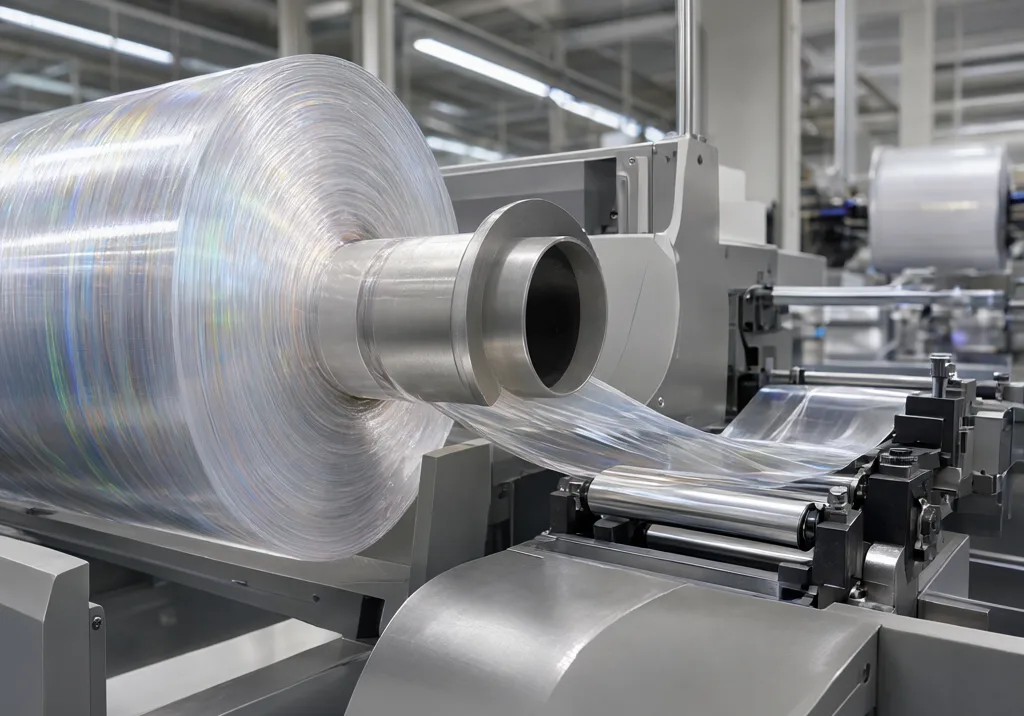
PacksFactory reference page for high barrier coated film and related film formats. Temporary imagery; the supplied material is confirmed against the approved sample.
How Clear Barrier Works
AlOx and SiOx coatings are applied in a vacuum process to PET or other substrates. The oxide layer is transparent but still slows oxygen and moisture transmission. It gives brands a clear pack without the silver surface of metallized film.
When Transparency Matters
Clear barrier film is useful when the product must be visible, when the pack needs a lighter or more natural look, or when the package is designed for microwave use. The coating is not a universal replacement for aluminum foil or metallized film.
Barrier and Shelf Life
The actual barrier depends on the coating, substrate, lamination and handling. Buyers should define the target shelf life and test the finished pack rather than comparing oxide films on coating type alone.
Converting Considerations
Oxide coatings can be sensitive to creasing, stretching and abrasion. The converter should confirm the print side, lamination adhesive, sealant and handling route to protect the barrier layer.
High-Barrier Coated Film Details
High-barrier coated film is a transparent alternative to metallized film. Instead of a reflective aluminum layer, it uses an aluminum oxide or silicon oxide coating that is clear but still resists oxygen and moisture. That makes it useful for packs where the product should remain visible or where a metallic finish does not fit the brand.
The coating is very thin, so the substrate and the rest of the laminate still carry most of the mechanical and sealing duties. PET is a common carrier because it is stiff, smooth and tolerant of the coating process. The finished structure may combine the coated web with a printed outer film, an adhesive and a sealant layer.
Barrier performance should be proven on the finished pack. Oxide coatings can lose barrier if they are creased, stretched or damaged during printing and lamination. The converter also needs to know whether the coated side is exposed or buried, and which adhesive and ink system are compatible.
PacksFactory reviews high-barrier coated film requests against the product, target shelf life, transparency requirement and converting route. Send the proposed structure, film width, core size, quantity, destination country and any existing barrier data so availability and documentation can be checked.
High-Barrier Coated Film for Packaging and Converting Projects
Use this page to compare high barrier coated film, film grades, thickness and width options, lamination structures, printing and converting requirements before requesting a quote. PacksFactory keeps the review focused on the finished pack, documentation and a repeatable roll or converted format.
How High-Barrier Coated Film Is Specified for Production
Use this page as a sourcing brief for buyers comparing substrate, thickness, barrier, roll dimensions, print and converting requirements before requesting a quote.
| Decision Area | Production Detail |
|---|---|
| Primary search intent | high barrier coated film, AlOx coated film, SiOx coated film, transparent barrier film |
| Best-fit film use | Transparent AlOx and SiOx coatings; Barrier without a metallic look; Suitable for food and consumer laminates |
| Specification decisions | substrate, thickness, metallized side, roll width, core, treatment, barrier target, laminate structure, print method, converting route |
| Quote inputs | film or laminate type, substrate and thickness, roll width and length, core ID and outside diameter, surface treatment, print or converting plan, quantity, destination country |
Our team reviews film grade, barrier target, converting route, roll packing and delivery planning before quoting.
Our team reviews film grade, barrier target, converting route, roll packing and delivery planning before quoting.
Our team reviews film grade, barrier target, converting route, roll packing and delivery planning before quoting.
Our team reviews film grade, barrier target, converting route, roll packing and delivery planning before quoting.
What is AlOx or SiOx coated film?
It is a plastic film with a thin transparent coating of aluminum oxide or silicon oxide. The coating provides barrier without the metallic appearance of a metallized layer.
Is high-barrier coated film a replacement for metallized film?
Not always. It is a good fit when transparency or a non-metallic look matters, but the barrier and cost should be compared on the finished laminate and the target shelf life.
Can high-barrier coated film be microwaved?
Some structures are designed for microwave use, but the full pack, sealant and coating must be confirmed. Do not assume microwave suitability from the film name alone.
What information is needed for a quote?
Send the target structure, product, shelf-life target, transparency requirement, film width, core size, quantity, print plan and destination country.