Transfer Metallized Paper for Labels and Cartons
Transfer metallized paper moves a thin aluminum layer from a carrier film onto a coated paper surface. The result is a smooth, bright metallic paper that holds fine print and folds like paper.
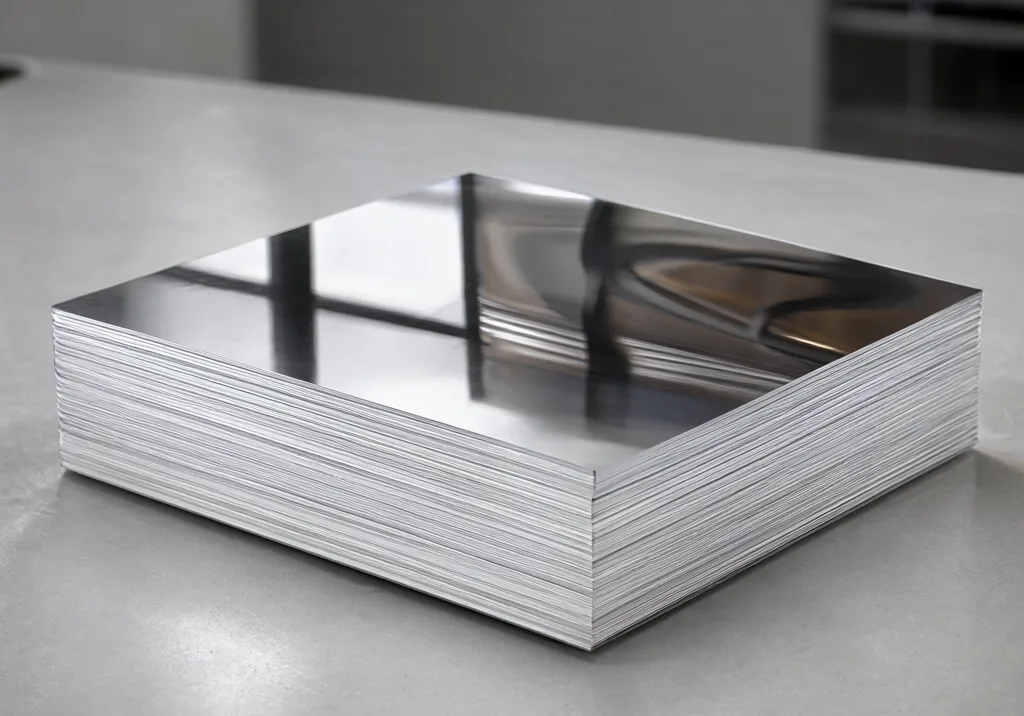
PacksFactory reference page for transfer metallized paper and related film formats. Temporary imagery; the supplied material is confirmed against the approved sample.
The Transfer Process
A carrier film is coated, metallized and then laminated to a coated paper surface. The aluminum transfers to the paper and the carrier is removed, leaving a smooth metallic layer that is part of the paper surface.
Why It Prints Well
Because the transferred layer follows a coated paper surface, transfer metallized paper is smoother than many direct metallized grades. That supports fine type, halftones and detailed brand artwork.
Cartons and Labels
Transfer metallized paper is used for premium cartons, sleeves, beverage labels and gift packaging. It can be mounted to board, printed, foiled, embossed and die-cut depending on the application.
Recycling and Claims
The paper-based construction may support paper recycling, but the coating, ink, adhesive and local recycling stream still matter. Any environmental claim should be confirmed for the specific grade and market.
Transfer Metallized Paper Details
Transfer metallized paper is a paper-based material with a metallic surface created by transferring aluminum from a carrier film. It is smoother and more print-friendly than many direct metallized papers, which makes it a strong choice for premium labels, cartons and sleeves with detailed artwork.
The transfer route separates the metallization step from the paper. A carrier film is coated and metallized, then bonded to a coated paper surface. When the carrier is removed, the aluminum stays on the paper. The paper retains its fold, stiffness and print behaviour, while the surface gains a bright metallic finish.
Transfer metallized paper is often used where a brand wants a foil-like look but prefers a paper-based substrate. It can be printed with fine type and halftones, then finished with varnish, embossing or foil. The final appearance depends on the paper coating, the ink system and the print sequence, so a proof on the actual grade is essential.
PacksFactory sources transfer metallized paper through qualified paper and converting partners. Send the application, paper weight, carton or label size, print artwork, finish, quantity and destination country so the available grade and documentation can be confirmed.
Transfer Metallized Paper for Packaging and Converting Projects
Use this page to compare transfer metallized paper, film grades, thickness and width options, lamination structures, printing and converting requirements before requesting a quote. PacksFactory keeps the review focused on the finished pack, documentation and a repeatable roll or converted format.
How Transfer Metallized Paper Is Specified for Production
Use this page as a sourcing brief for buyers comparing substrate, thickness, barrier, roll dimensions, print and converting requirements before requesting a quote.
| Decision Area | Production Detail |
|---|---|
| Primary search intent | transfer metallized paper, transfer metalized paper, metallized paper labels, metallized carton paper |
| Best-fit film use | Smooth metallic paper surface; Fine print and halftone detail; Labels, cartons and sleeves |
| Specification decisions | substrate, thickness, metallized side, roll width, core, treatment, barrier target, laminate structure, print method, converting route |
| Quote inputs | film or laminate type, substrate and thickness, roll width and length, core ID and outside diameter, surface treatment, print or converting plan, quantity, destination country |
Our team reviews film grade, barrier target, converting route, roll packing and delivery planning before quoting.
Our team reviews film grade, barrier target, converting route, roll packing and delivery planning before quoting.
Our team reviews film grade, barrier target, converting route, roll packing and delivery planning before quoting.
Our team reviews film grade, barrier target, converting route, roll packing and delivery planning before quoting.
How is transfer metallized paper different from direct metallized paper?
Transfer paper receives aluminum from a carrier film onto a coated paper surface, which usually gives a smoother and brighter finish. Direct metallized paper applies the aluminum directly to the paper.
What is transfer metallized paper used for?
It is used for premium labels, folding cartons, sleeves, gift packaging and other paper-based print where a metallic surface and fine print detail are needed.
Can transfer metallized paper be embossed?
Yes, it can be embossed, foiled, varnished and die-cut, but the paper grade and coating should be tested for the chosen finish.
Is transfer metallized paper recyclable?
It may be accepted in paper recycling depending on the coating, ink, adhesive and local stream. Confirm the claim with the supplier and the destination market.